A Shift in Silicon: Kepler Computing is Rewriting the Limits of AI Hardware
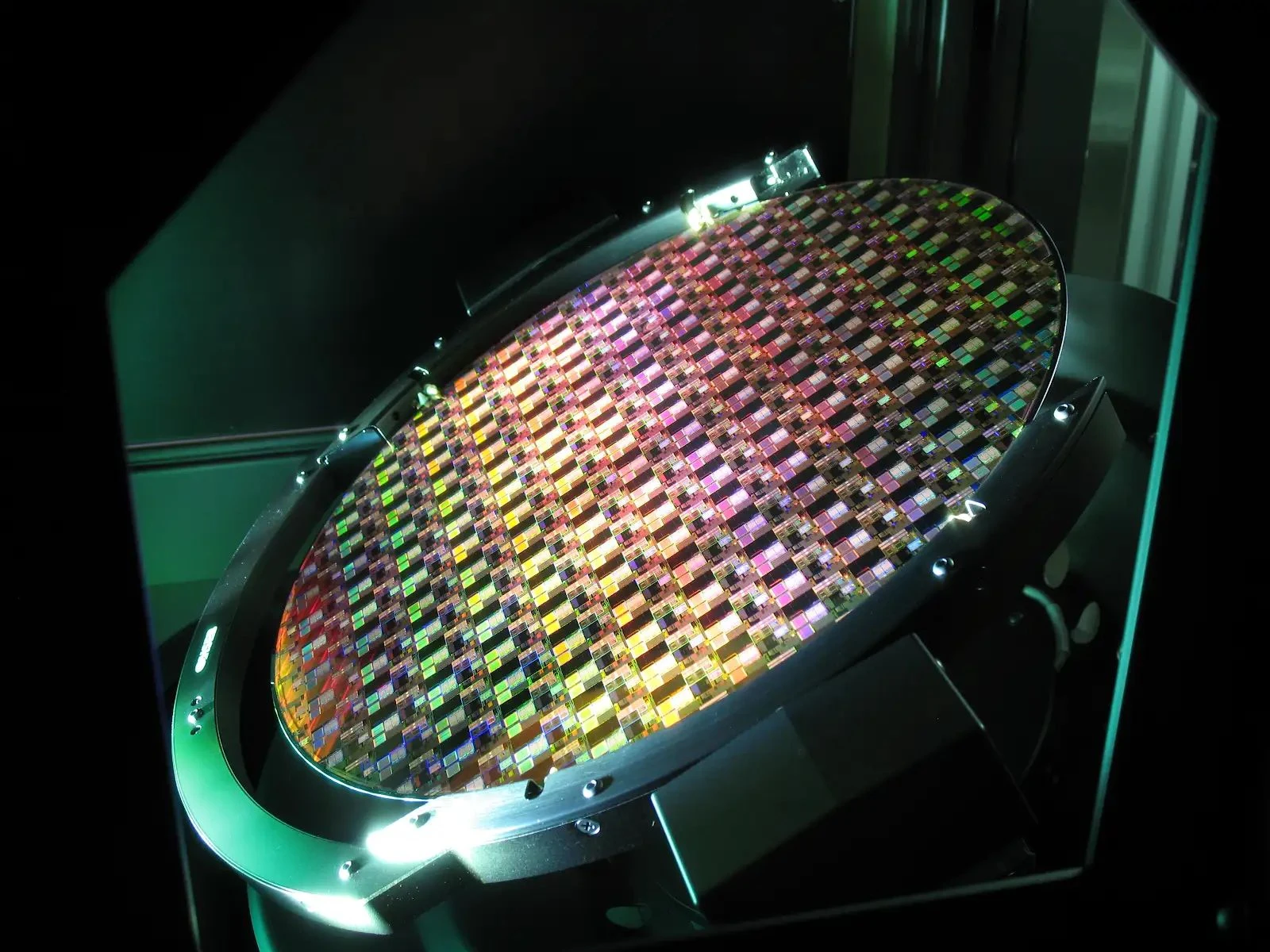
For decades, the tech world has been guided by Moore's Law: the observation that computing power roughly doubles every two years while costs drop. The true spirit of this law is that silicon innovation (the microchips powering everything from our smartphones to global data centers) will be democratized, allowing companies big and small to dream up ideas that leverage computing to push the world forward. But as we hit the physical limits of traditional silicon, the barriers to entry are becoming prohibitive. Today, Kepler Computing emerges from stealth to reimagine how AI hardware is built, and Cubit Capital is proud to stand alongside them.
The Problem: The Physical and Economic Limits of Silicon
For 50 years, silicon chips have driven the information revolution. Historically, making faster chips meant shrinking transistors–the microscopic switches inside a chip that process data. But shrinking them further has reached a point of diminishing returns. The engineering and manufacturing costs for the most advanced chips are skyrocketing, jumping from $100 million to $1 billion, and today, new advanced manufacturing plants (known as a "fab") cost $20 billion to $40 billion. Meanwhile, AI compute needs are doubling every 3.5 months. Yet the fast, built-in memory on these chips is only improving by 10-20% per generation. Compounding this technical bottleneck is a profound national security vulnerability: the world's most advanced semiconductor chips are overwhelmingly manufactured overseas, leaving the United States reliant on fragile, foreign supply chains.
The Solution: A Massive Leap Beyond Silicon
Cofounder Debo Olaosebikan–a Cornell physicist turned entrepreneur–launched Kepler Computing to extend Moore's Law beyond the physical limits of silicon. As CEO, Debo brings a rare combination of scientific expertise and proven execution (he previously helped build the first electrically activated silicon laser in collaboration with MIT, Stanford, and Caltech), as well as a beautiful mix of confidence and humility. Under Debo’s leadership, Kepler is pioneering a new way to build memory and processing chips using a proprietary "ferroelectric" material instead of relying on the expensive, conventional path of shrinking transistors. By introducing this new material into the chip, Kepler reduces the number of transistors required to do the exact same amount of work.
This breakthrough delivers a massive leap in performance, ultimately, boosting the storage capacity and processing density of chips. Crucially, Kepler's technology works within existing fabs. Rather than requiring expensive EUV lithography or entirely new facilities, it integrates with current fabrication plants and chip design software — in an early build-out with GlobalFoundries, Kepler converted a fab into a next-generation fab in just eight months, versus a typical 24-month timeline. That means avoiding the $20 billion to $40 billion cost of building a new fab from scratch.
Traction and National Impact
As Kepler steps out of stealth today, they already boast a multi-year partnership with a Tier 1 foundry and have secured three major chipmakers across data storage, cryptocurrency, and the CPU/GPU sector (the general processors and specialized AI “'brains” of the tech world).
The U.S. government has also recognized the strategic imperative of Kepler’s technology. In July, the Department of Commerce announced a letter of intent to invest up to $245M in Kepler (one of seven companies selected and the second largest award of the $874M announced) to back their efforts to develop and scale AI memory here in America.
Why Cubit Invested
Cubit’s investment in Kepler Computing is driven by our core belief in security and safety for all. Kepler’s technology allows fabs to be constructed and delivered at a fraction of the cost, ultimately, helping resolve supply chain pressures. By driving a fundamental paradigm shift in semiconductor physics and securing the domestic supply chain, Kepler Computing helps ensure that the computational backbone of the future remains safe, resilient, and built right here at home.